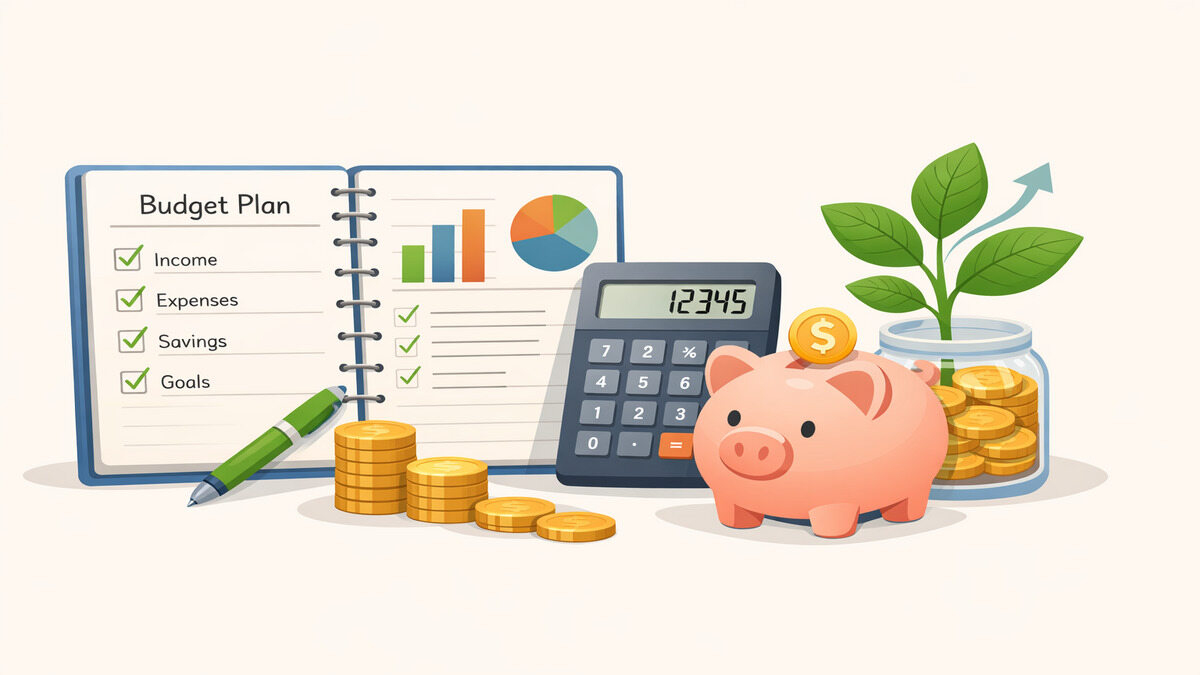
Money plays an important role in everyone’s life. We earn money to meet our daily needs, support our family, and plan for the future. However, many people struggle with money problems even when they have a regular income. This usually happens because they do not manage their money properly.
Personal finance helps people understand how to handle money in a smart and practical way. It is not about becoming rich quickly. Instead, it focuses on building good habits related to spending, saving, and planning. In this article, we will explain what personal finance is, why it matters, and how beginners can improve their financial life step by step.
What Is Personal Finance?
Personal finance refers to the way an individual manages their own money. It includes decisions related to income, expenses, savings, investments, and future planning. Every financial choice you make in daily life is a part of finance.
Personal finance usually covers the following areas:
- Managing monthly income
- Tracking and controlling expenses
- Saving money regularly
- Investing for long-term goals
- Planning for emergencies
- Preparing for retirement
In simple words, finance is about using your money wisely so that you can avoid stress and feel more secure about your future.
Why Is Personal Finance Important?
Many people believe that financial planning is only necessary when income is high. In reality, personal finance is important at every income level. Without proper planning, money problems can slowly increase over time.
Helps Control Spending
When you understand finance, you become more aware of where your money goes. This helps reduce unnecessary expenses and encourages better spending habits.
Reduces Financial Stress
Money-related stress is very common. Planning income and expenses properly gives peace of mind and makes daily life more stable.
Supports Future Goals
Whether it is buying a house, saving for education, or planning retirement, personal finance helps turn long-term goals into achievable plans.
Prepares You for Emergencies
Unexpected situations like medical expenses or job loss can create financial pressure. finance helps you prepare for such moments.
Budgeting: The First Step in Personal Finance
Budgeting is the foundation of personal. A budget is a simple plan that shows how much money you earn and how you spend it.
Creating a budget helps you:
- Stay within your income
- Avoid overspending
- Increase savings
- Improve money discipline
Simple Budget Example
If your monthly income is $1,000:
- $500 for basic needs like rent and food
- $300 for personal wants
- $200 for savings and future use
A budget does not limit your life. It helps you use your money in a balanced way.
Saving Money and Its Role
Saving money means setting aside a portion of your income for future use. Savings act as a safety cushion during difficult times.
Common saving options include:
- Savings bank accounts
- Fixed deposits
- Recurring deposits
Savings are mainly useful for short-term needs and emergencies. However, savings alone may not protect your money from inflation. That is why investment is also important.
What Is Investment?
Investment means putting money into options that have the potential to grow over time. Investments are usually made for long-term goals rather than immediate needs.
Some common investment options are:
- Mutual funds
- Systematic Investment Plans (SIP)
- Stock market
- Retirement plans
When investments are done regularly and patiently, they can benefit from compounding, which helps money grow gradually over the years.
Difference Between Saving and Investment
Although saving and investment are closely related, they serve different purposes.
| Saving | Investment |
| Short-term security | Long-term growth |
| Low risk | Moderate risk |
| Easy access | Needs time |
A good finance plan includes both savings and investments in the right balance.
Emergency Fund: Financial Protection
An emergency fund is money kept aside for unexpected situations such as medical emergencies or sudden income loss. Financial experts generally suggest keeping three to six months of basic expenses as an emergency fund.
This fund helps avoid borrowing money or selling long-term investments during difficult times.
Importance of Insurance
Insurance is an essential part of personal. It protects individuals and families from major financial loss.
Important types of insurance include:
- Health insurance
- Life insurance
- Term insurance
Insurance is meant for protection, not profit. Having the right insurance coverage improves financial security.
Managing Debt Wisely
Loans and credit cards can be useful when managed properly. However, excessive or unplanned debt can create financial stress.
Some basic debt management tips:
- Avoid unnecessary loans
- Pay high-interest debt first
- Do not depend heavily on credit cards
- Borrow only what you can repay
Responsible debt management is a key part of healthy of the finance.
Personal Finance Tips for Beginners
If you are new to personal start with these simple steps:
- Track your expenses regularly
- Create a basic monthly budget
- Save a fixed portion of your income
- Build an emergency fund first
- Start small investments
- Set realistic financial goals
Small and consistent actions can lead to strong financial stability over time.
Common Personal Finance Mistakes
Many people make mistakes that affect their financial growth, such as:
- Not planning finances early
- Ignoring emergency savings
- Spending more than income
- Delaying investment decisions
Avoiding these mistakes can improve financial control and confidence.
Conclusion
Personal finance is not about complex calculations or advanced knowledge. It is about understanding your money and using it responsibly. When you manage income carefully, control expenses, save regularly, and plan for the future, financial stress reduces naturally.
You do not need a high income to start personal. You only need awareness and discipline. Starting today, even with small steps, can help you build a secure and balanced financial future.